
GinoskoAI
Development Phase
Web App
Product Designer
UX Designer
Project Overview
Running a business is expensive. Between hiring, training, salaries, and keeping staff available around the clock, most small and growing businesses simply can’t keep up. Yet voice communication remains one of the most trusted ways customers want to interact especially in African markets where phone calls often carry more weight than emails or chat.
That’s the gap Bamisoro was created to fill.
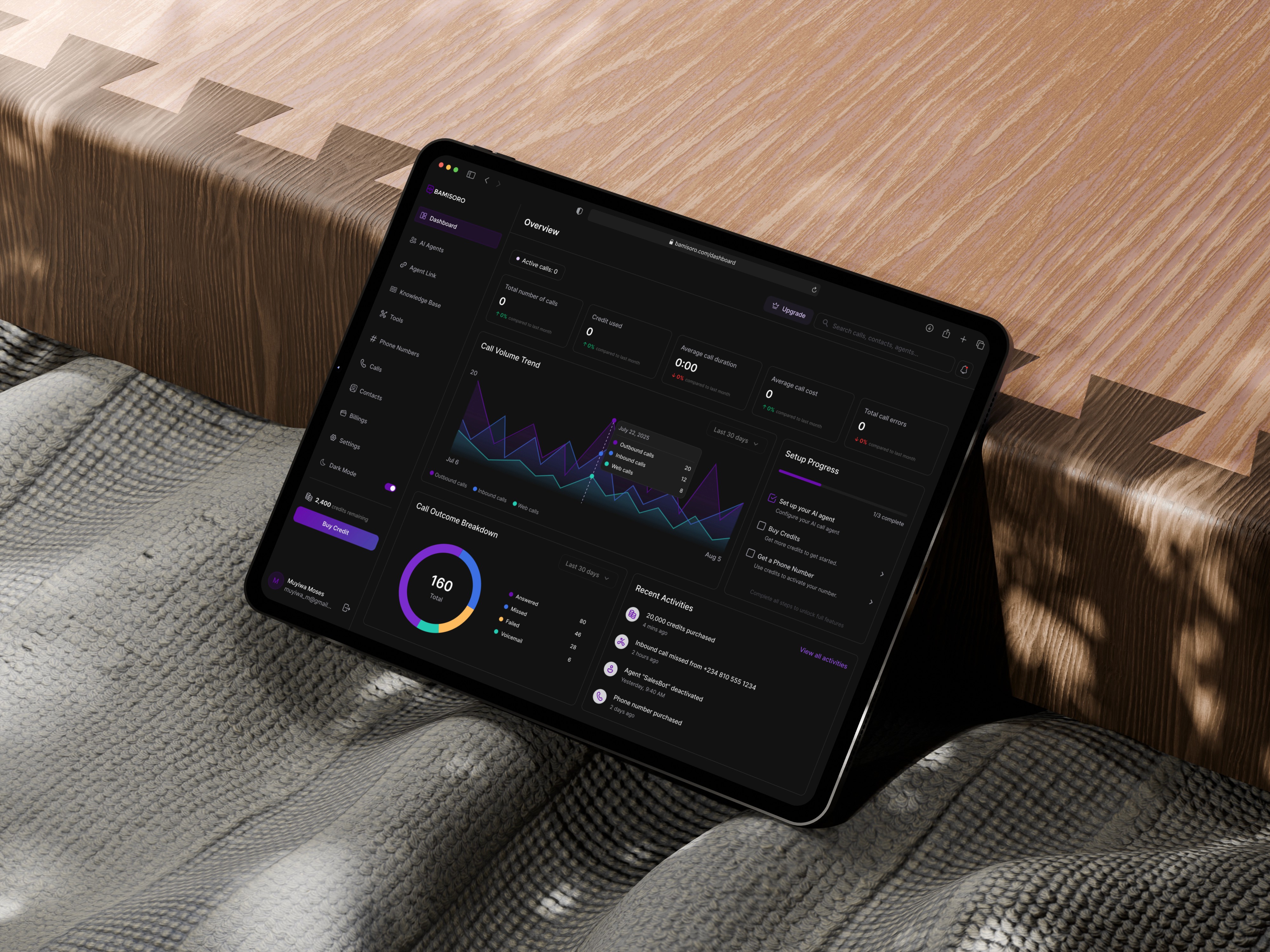
Bamisoro (meaning "Talk to me" in the Yoruba language of West Africa) is an AI-powered call center that can answer and make phone calls on behalf of a business using human-like voices trained to understand context and local languages.

Problem Statement
Businesses want to provide responsive, human-like phone support, but the traditional call center model is too expensive, too rigid, and too hard to scale.
Without a better solution, businesses are stuck choosing between burning resources on call staff or risking customer frustration with missed calls and poor service.
Hypothesis
Research & Discovery
Before diving into design, we needed to understand how businesses actually manage their customer conversations and where the biggest gaps were.
Research Insights
We conducted both qualitative and quantitative research and uncovered insights that shaped the foundation of Bamisoro. We weren’t just building another AI tool, we were creating a bridge between the way businesses want to serve and the way customers expect to be served.
Any solution had to cut costs significantly.
The AI had to sound human and speak the way customers do.
Owners didn’t want complex onboarding. They wanted to be up and running in minutes.
Features like call recordings, analytics, and visible performance metrics would help businesses believe in the product.
Competitors Analysis
We studied competitors and global players. Tools like Vapi, ElevenLabs and Ultravox provided great infrastructure or voice technology but weren’t designed to serve the unique needs of African SME businesses. The opportunity was clear: build something affordable, simple, and locally relevant.
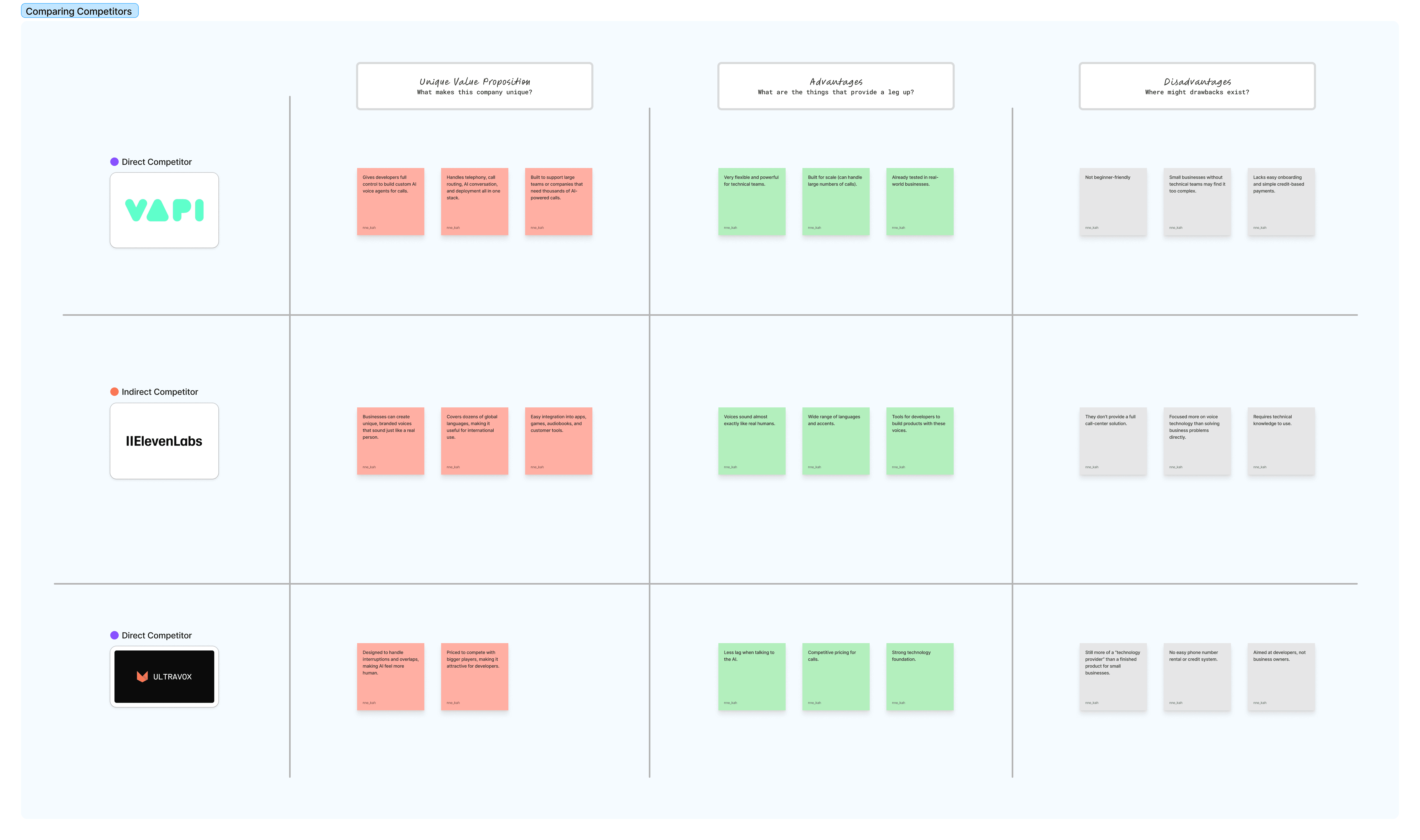
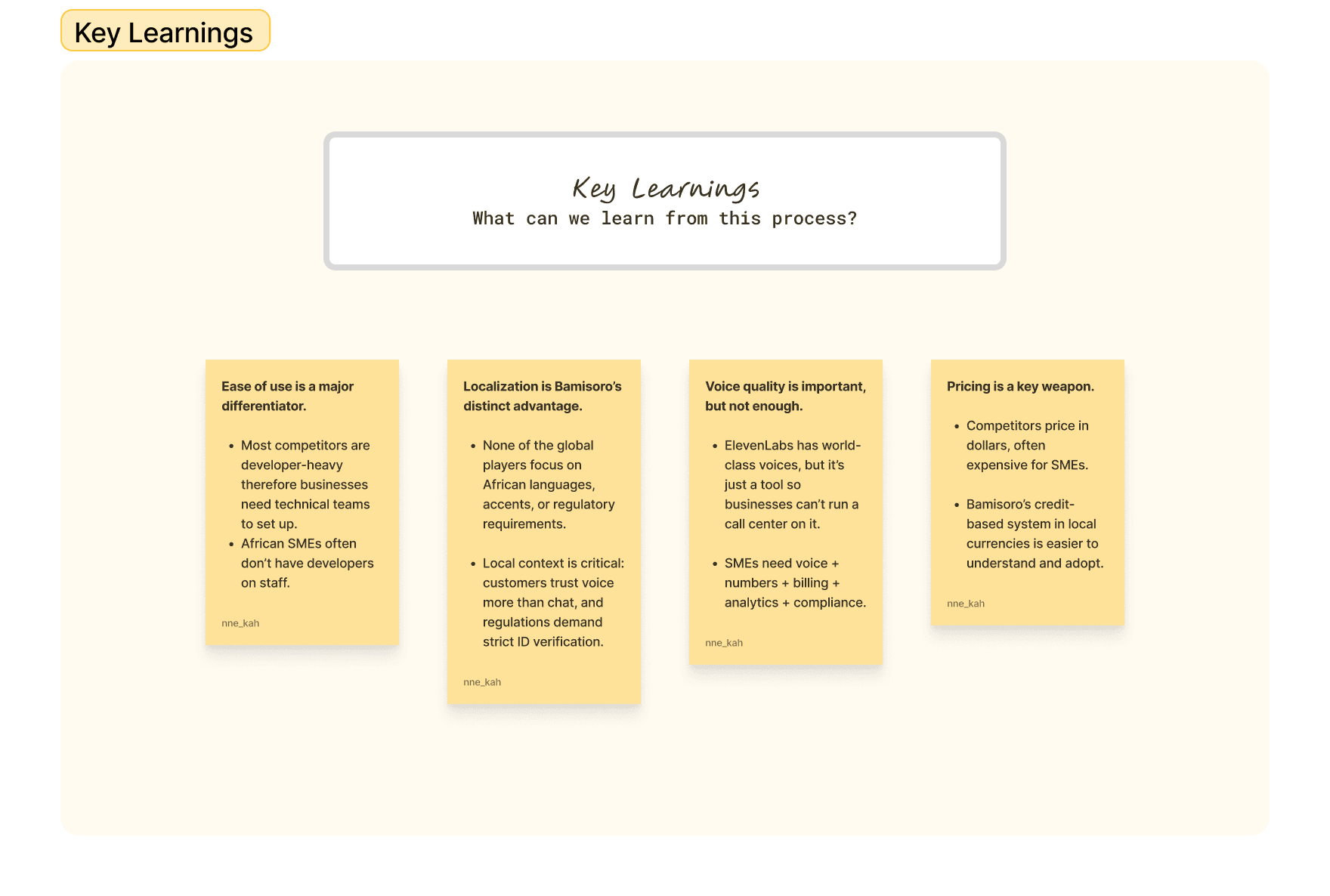
What was learned from the competitor's analysis
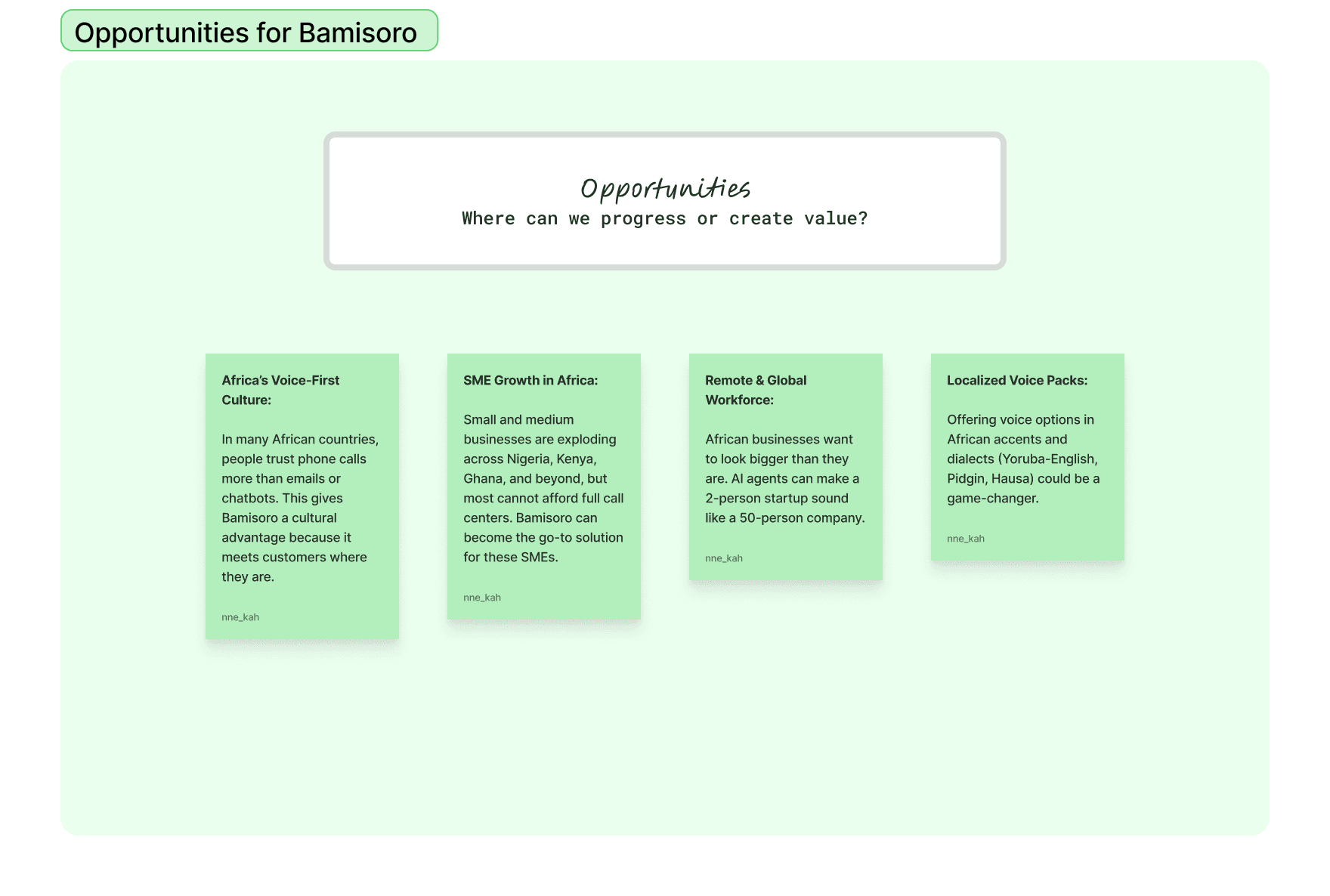
Identifying opportunities for Bamisoro
User Personas
From the research that was conducted, we created user personas to capture the goals and pain points of our target users.


Empathy Mapping
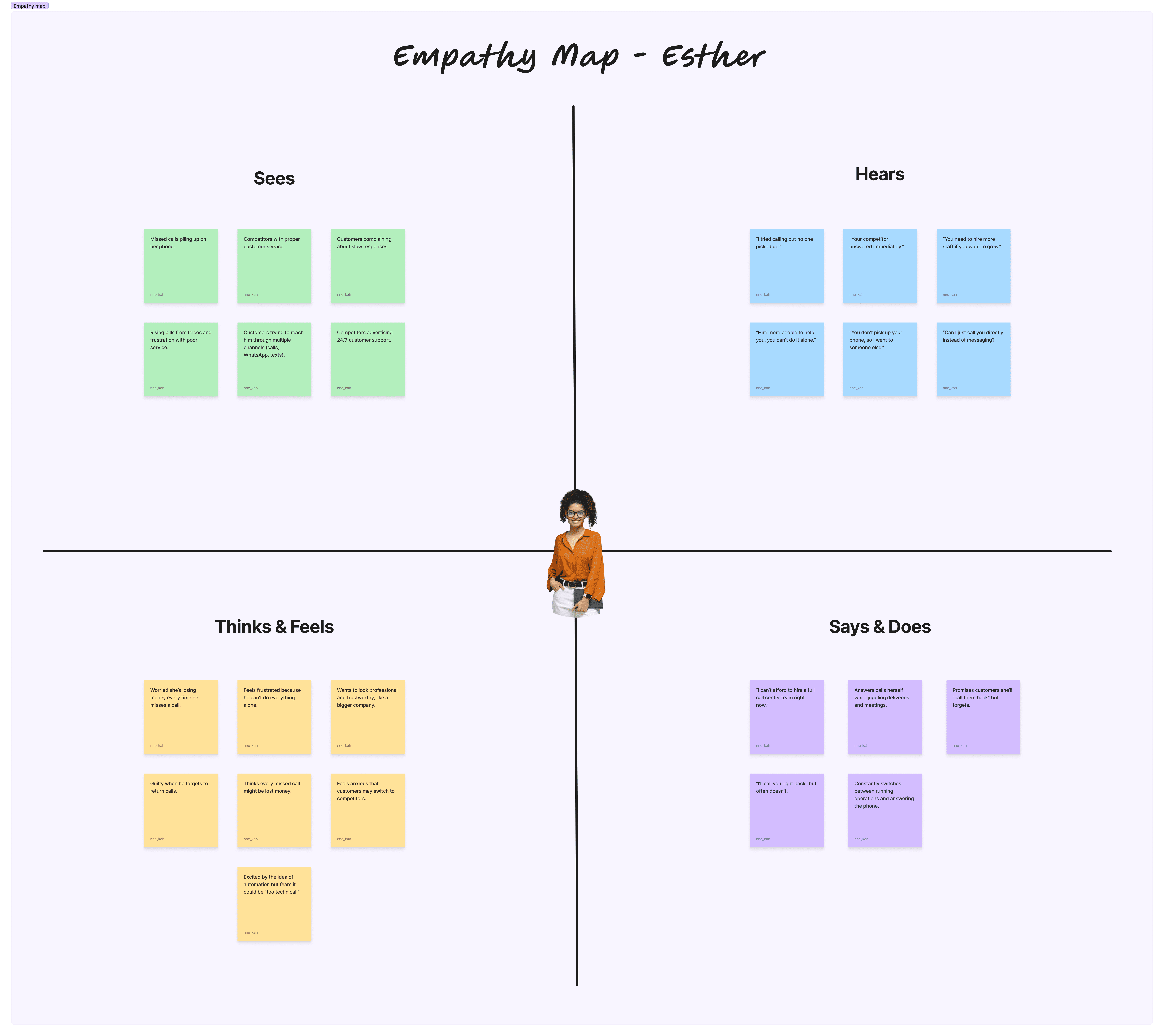
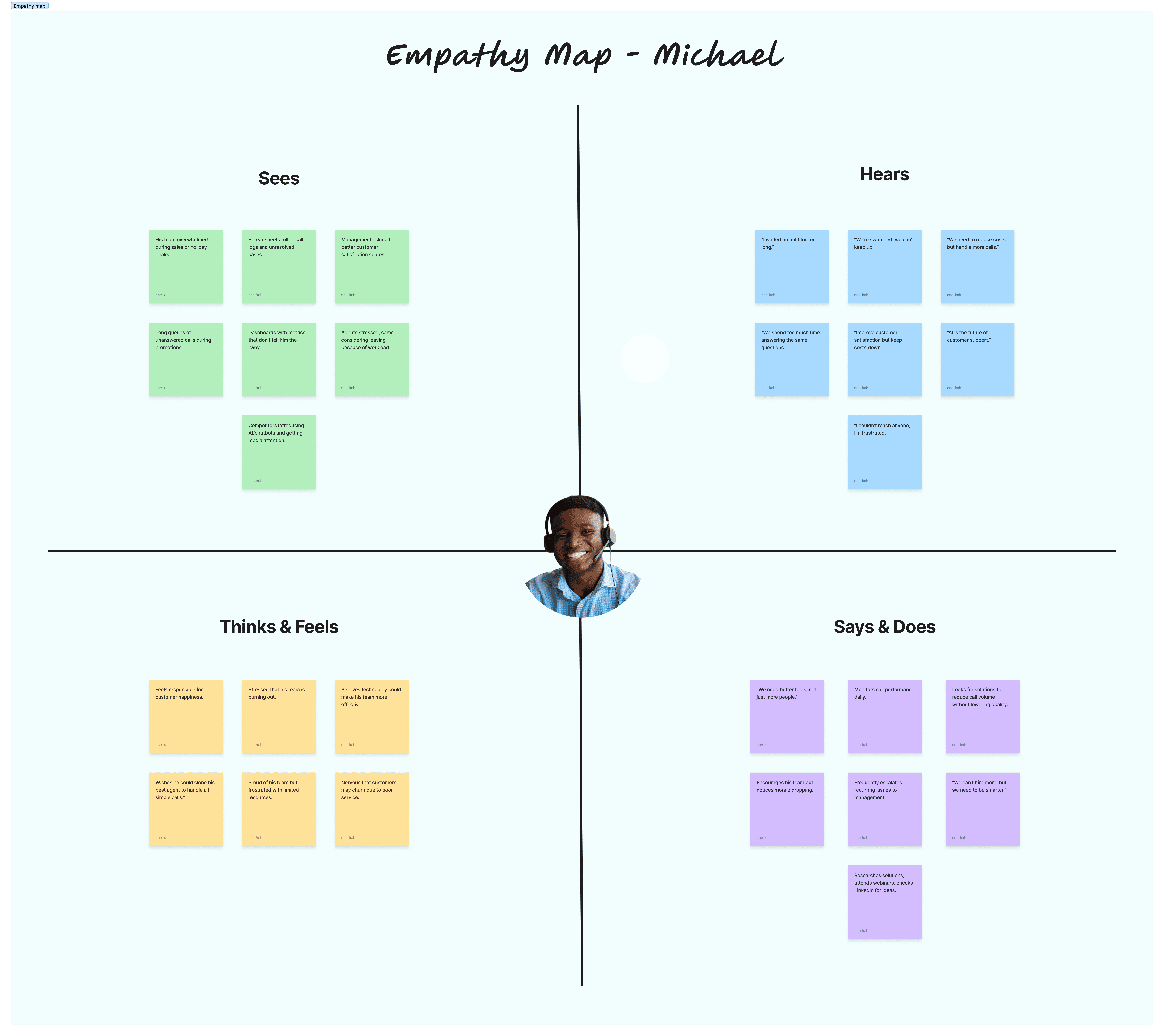
By creating empathy maps, we translated user research into human stories that guided our design decisions.
Information Architecture
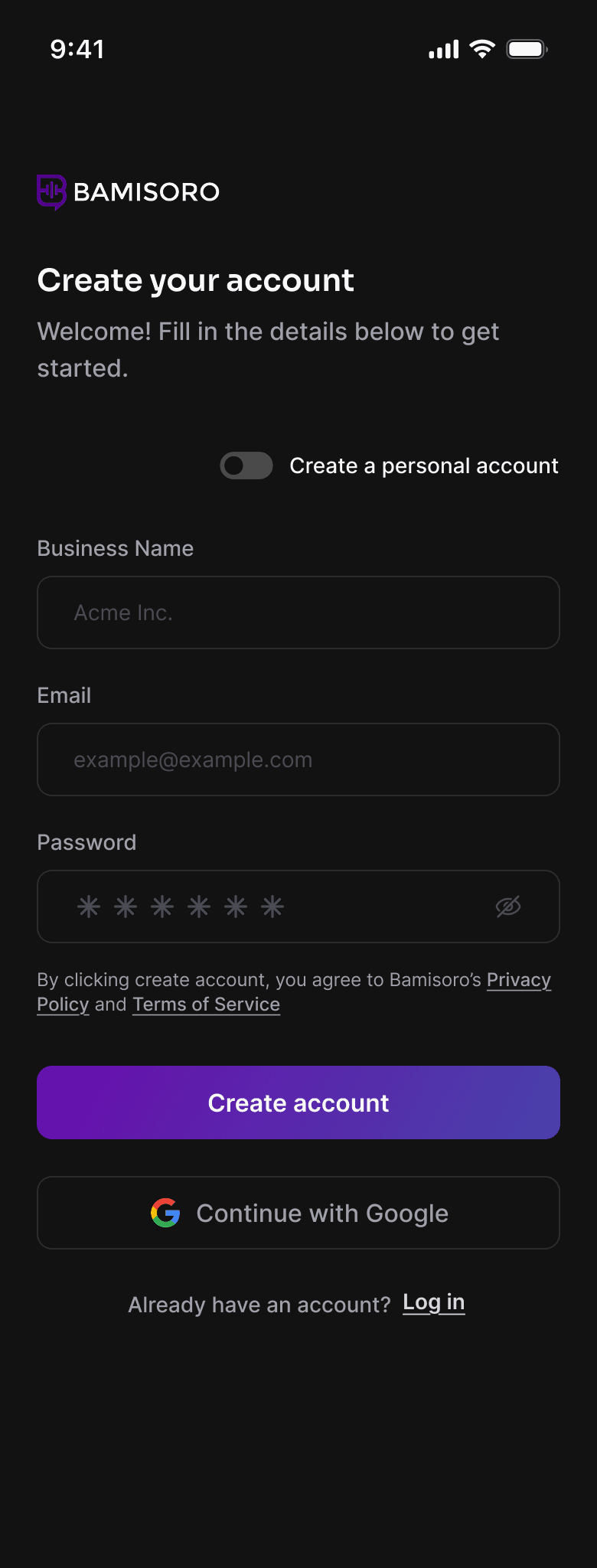
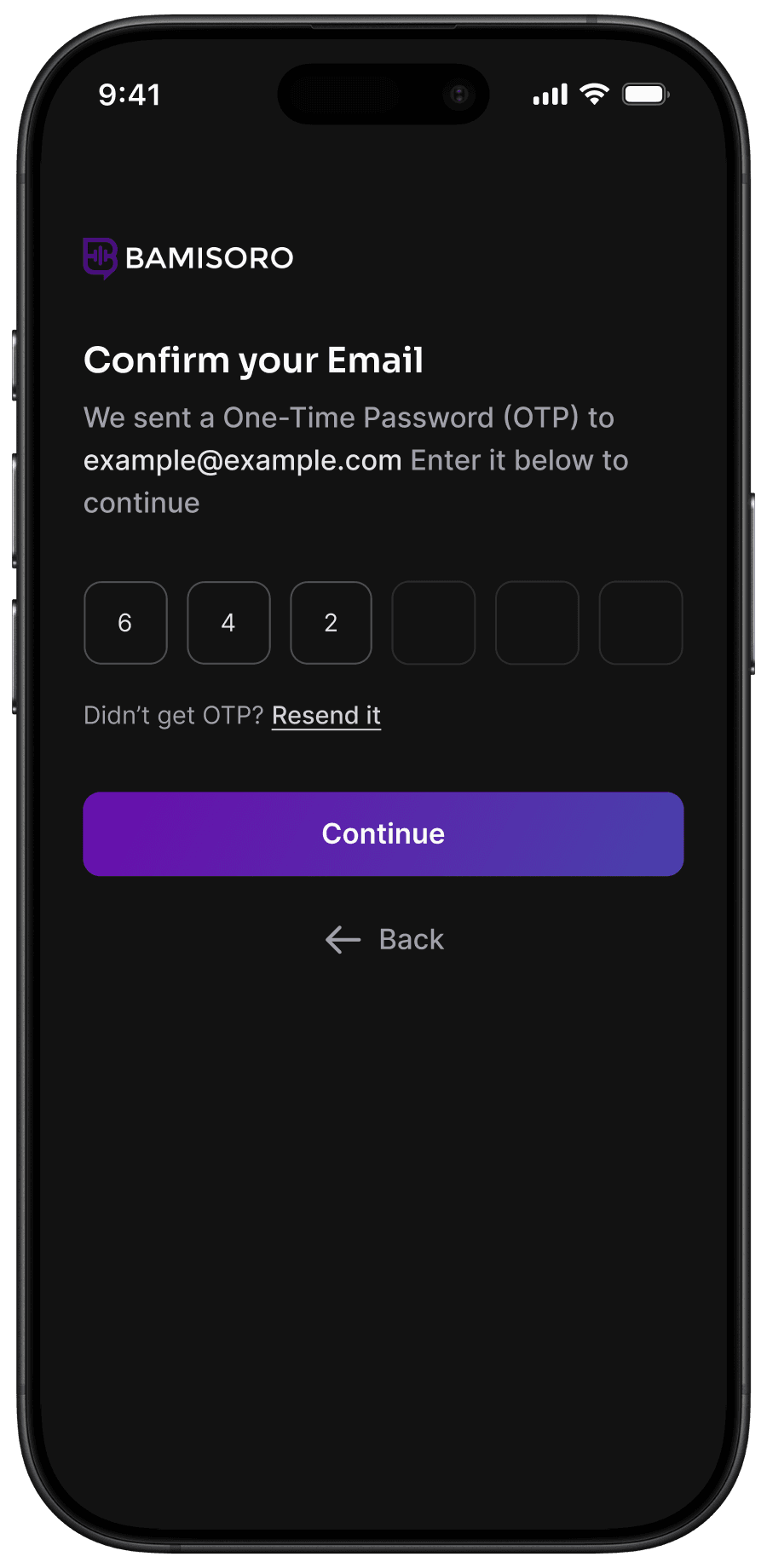
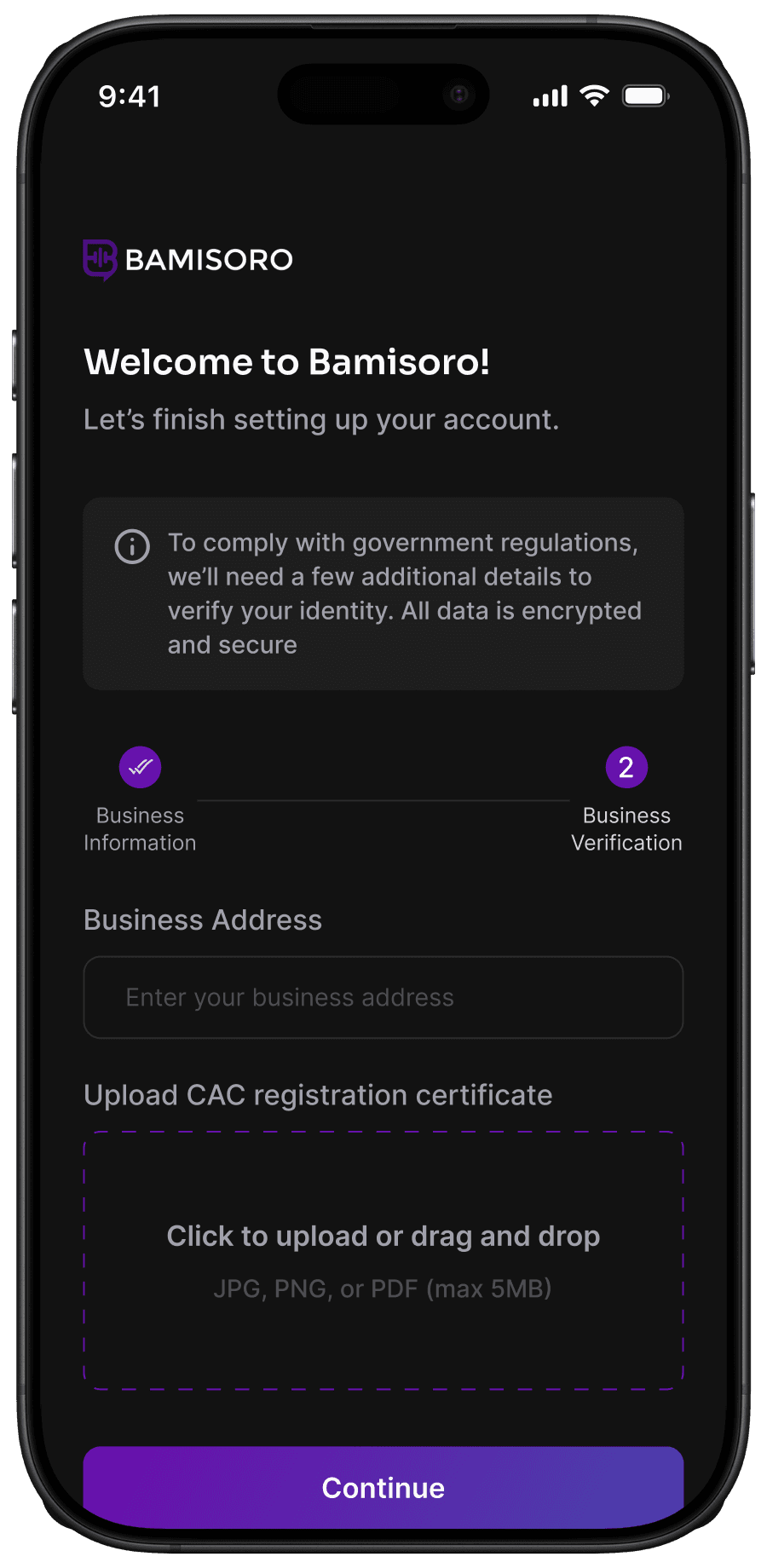
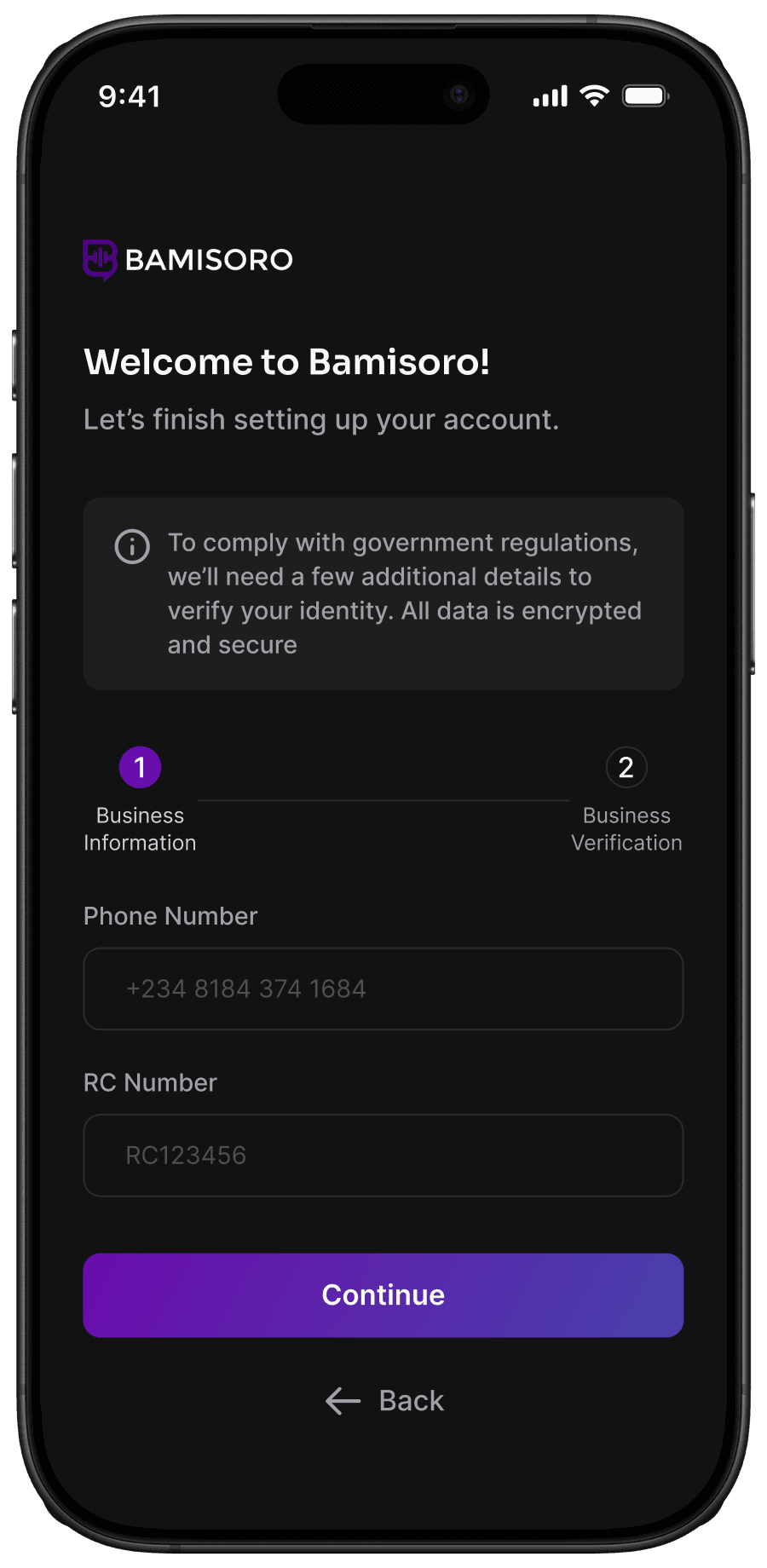
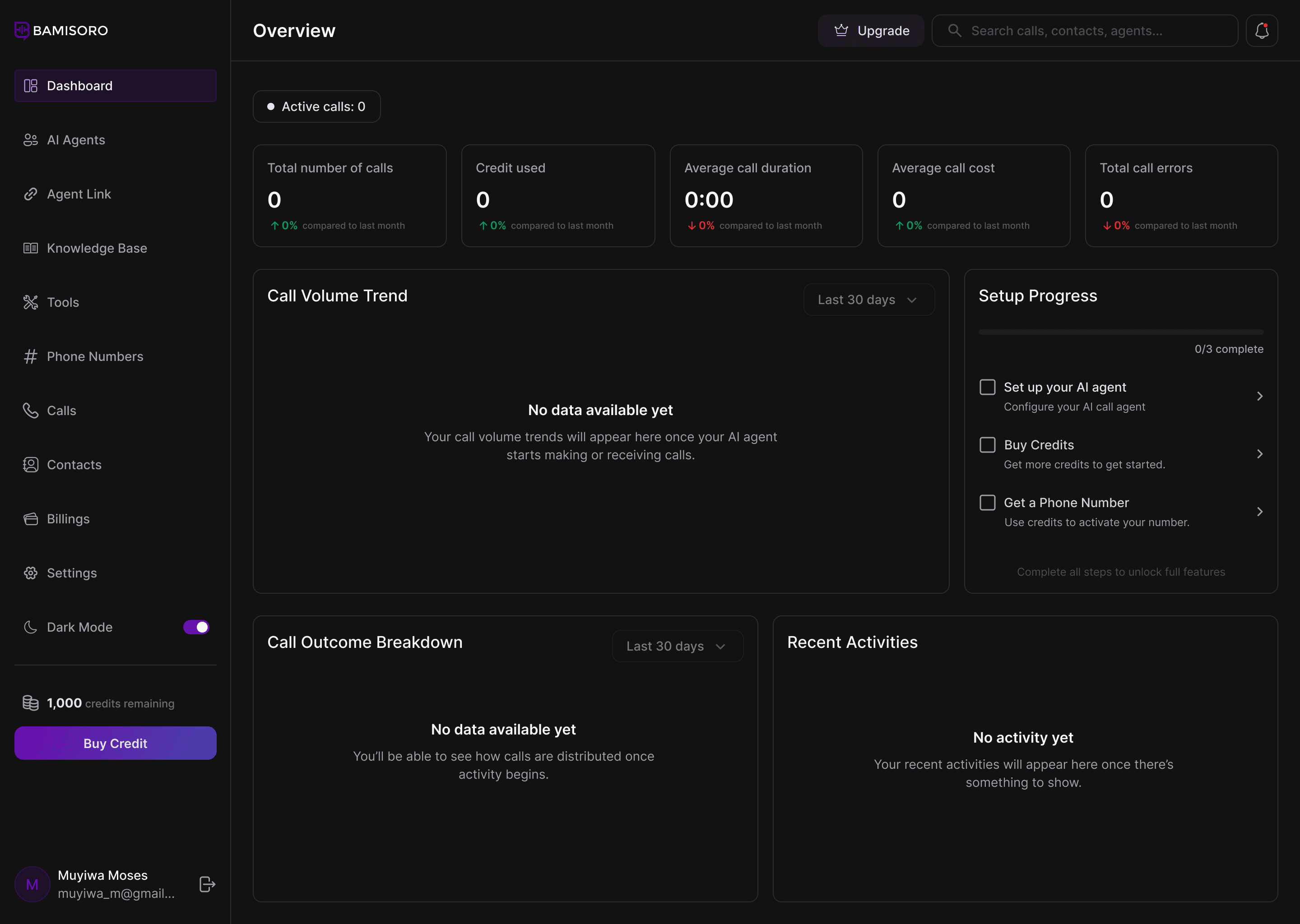
To create a seamless experience, we structured Bamisoro’s information architecture using a site map which we built around clarity, simplicity, and quick access to the most important actions.

Style Guide
ABCDEFGHIJKLMNOPQRSTUVWXYZ
abcdefghijklmnopqrstuvwxyz
1234567890!@#$%^&*
ABCDEFGHIJKLMNOPQRSTUVWXYZ
abcdefghijklmnopqrstuvwxyz
1234567890!@#$%^&*






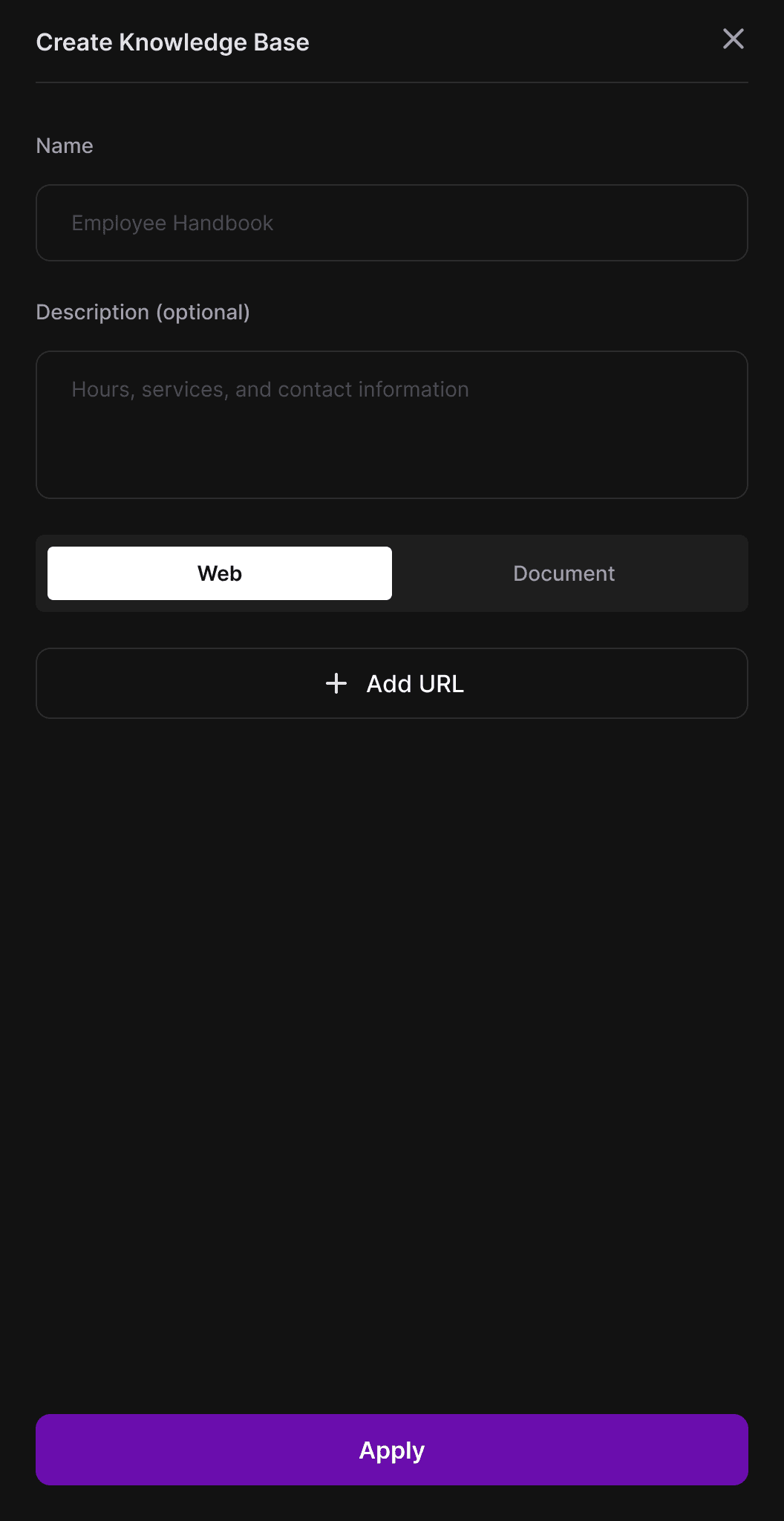
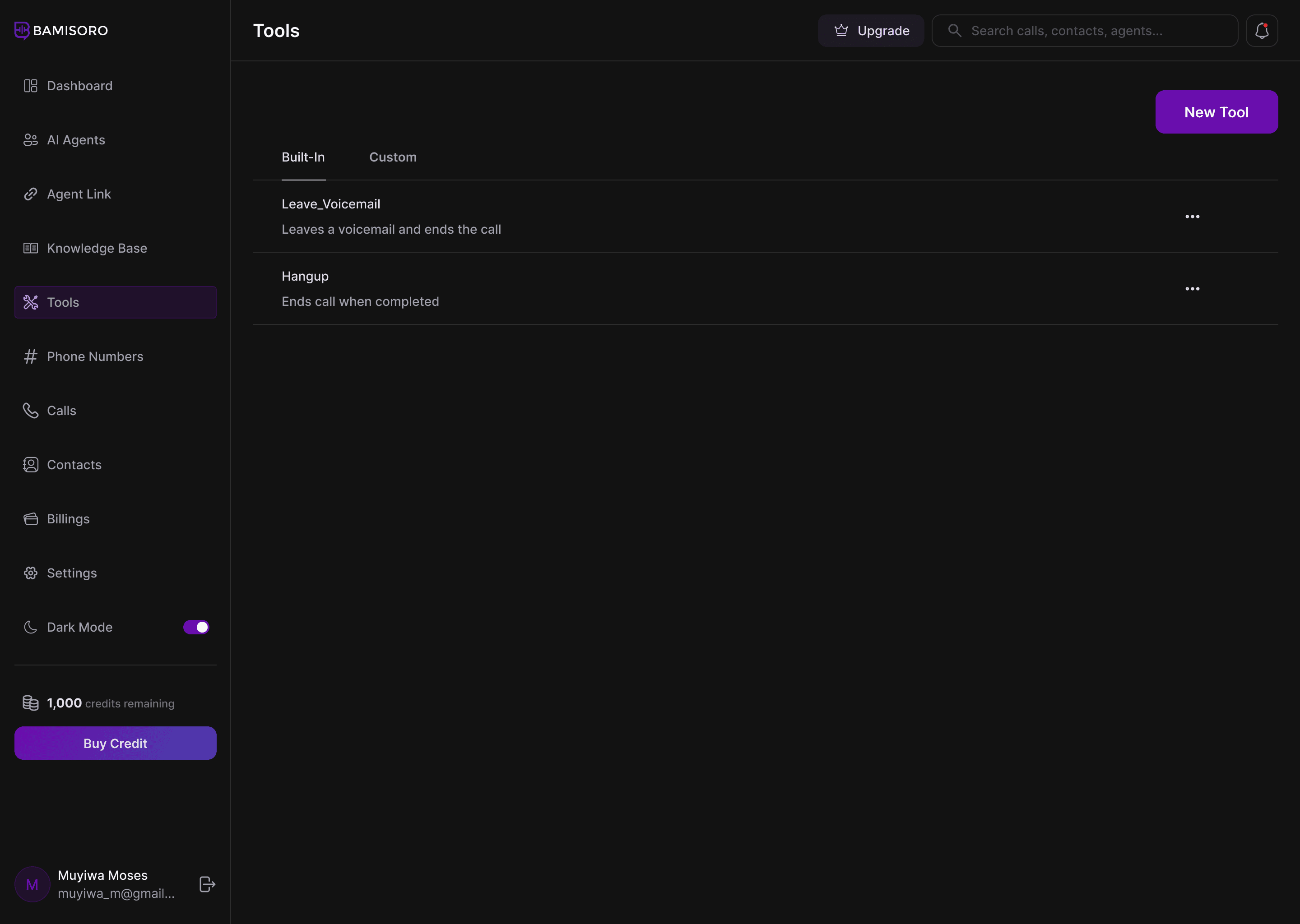
Usability Testing
After the designs were completed, We tested the prototype with six participants representing our target users. The goal was to see if they could successfully create an AI agent and make a call without assistance.
Objective
To validate whether users can successfully:
Create an AI Agent without confusion or external help.
Make a Call using the AI agent and understand how to add numbers and additional info.
Method
Format: Remote, unmoderated testing (using clickable prototypes).
Participants: 6 users (mix of small business owners and support managers).
Tasks:
Create an AI agent, give it a name, select a voice, and complete setup.
Make a call by entering a phone number, adding extra info, and initiating the call.
Success Criteria:
Completion of task without asking for help.
Errors or points of confusion.
Insights & Suggestions
Add a short explanation for “Tools” during agent creation to help first-time users understand what they are and how they work.
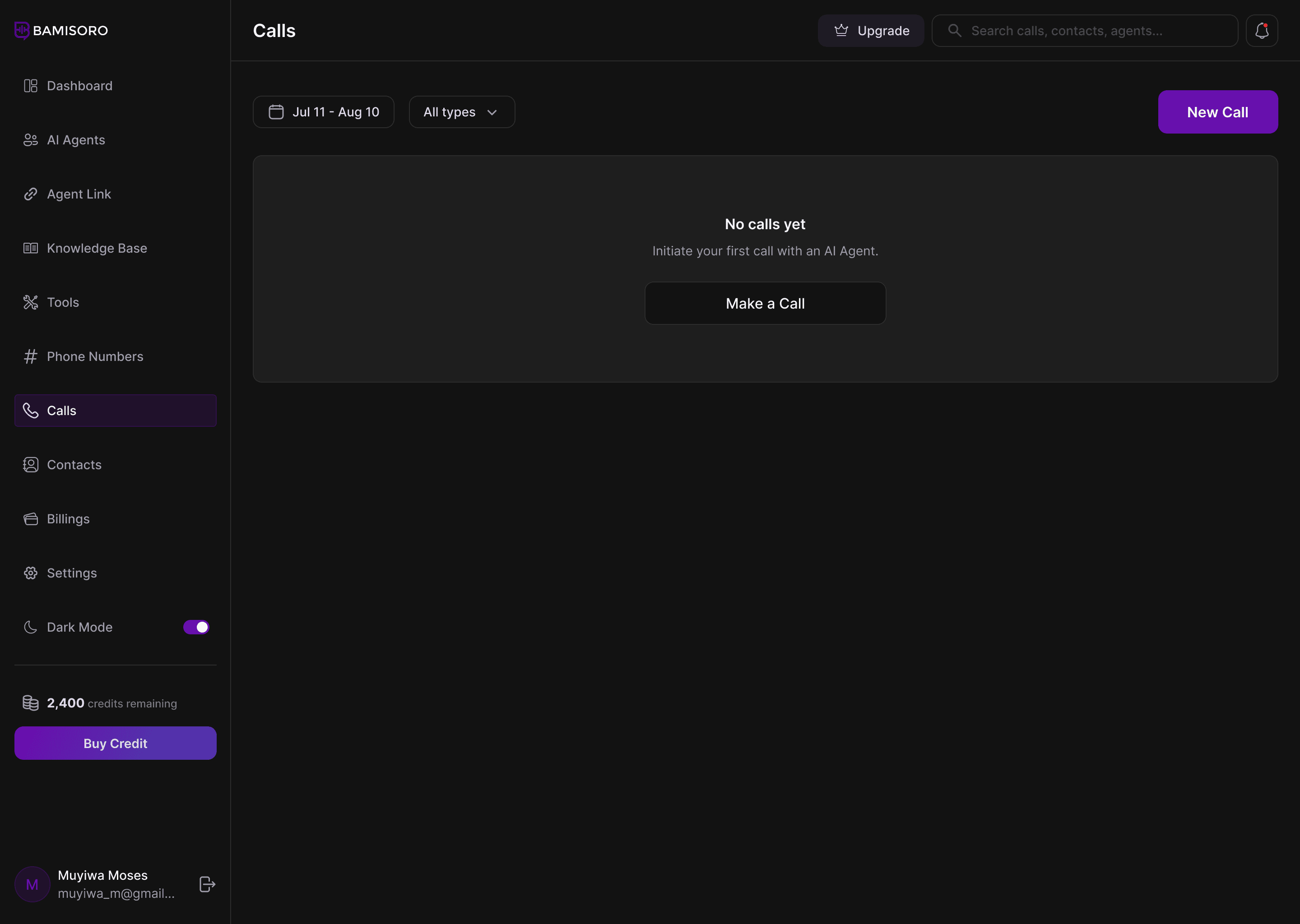
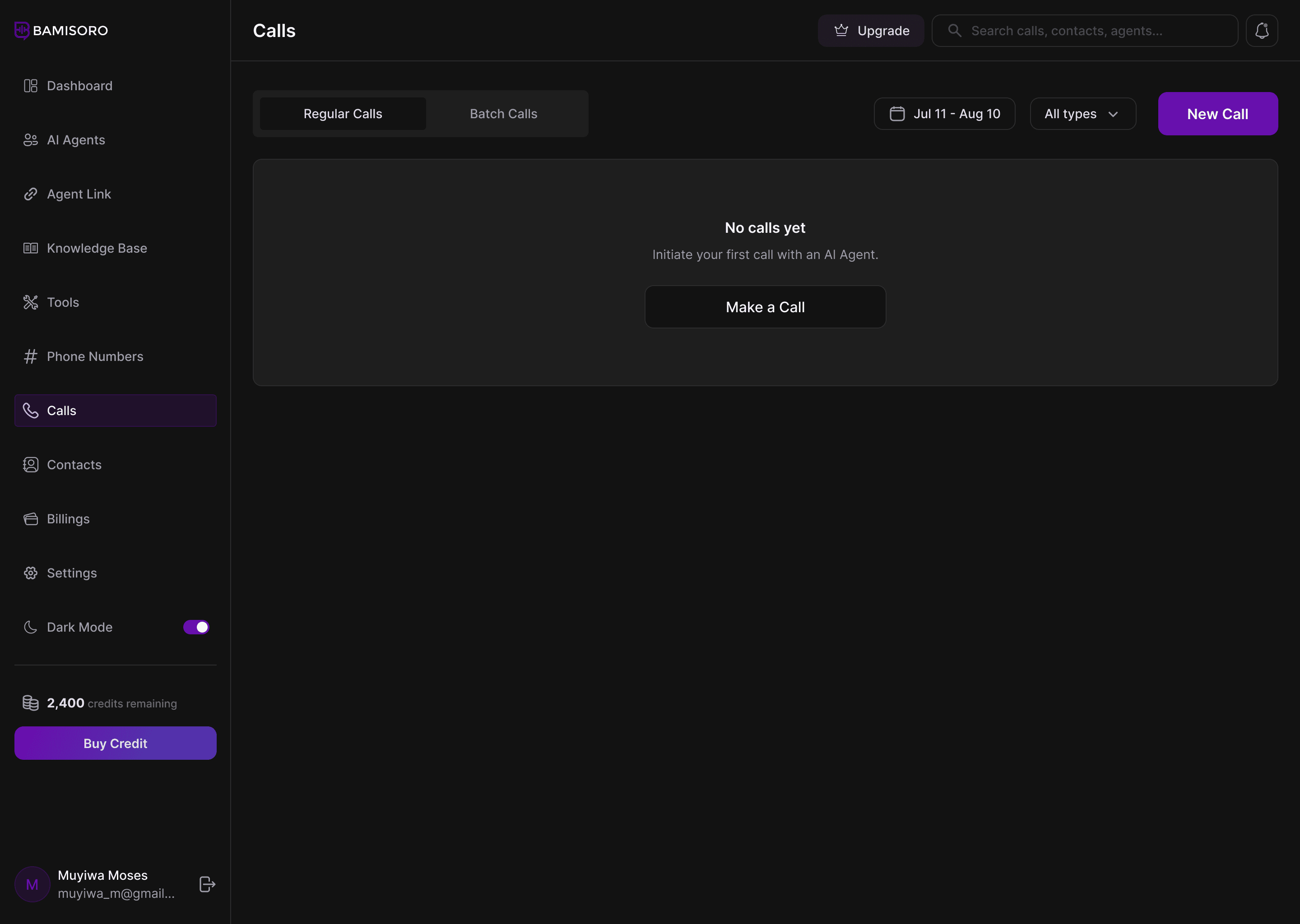
Separate the call screen into Regular Calls and Batch Calls so users can clearly choose between making a single call or uploading multiple numbers.
Include a confirmation screen before making calls to reassure users and let them double-check details before the AI starts dialing.
Implementing Feedback
Based on the usability testing insights, we iterated on the designs and made the following improvements:
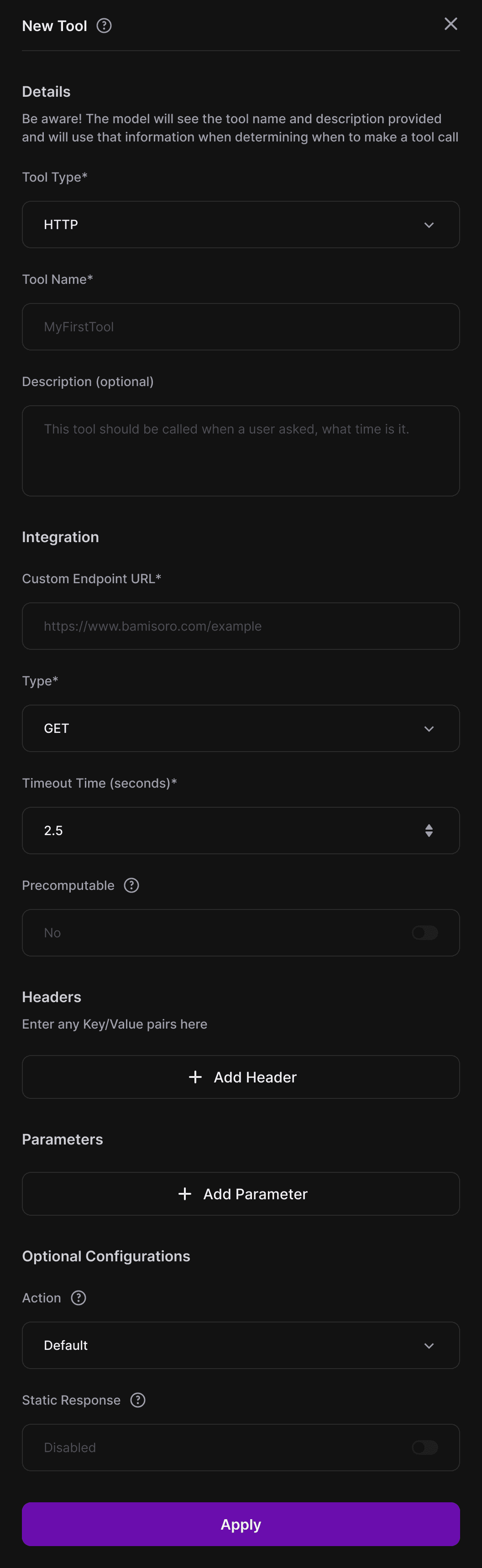
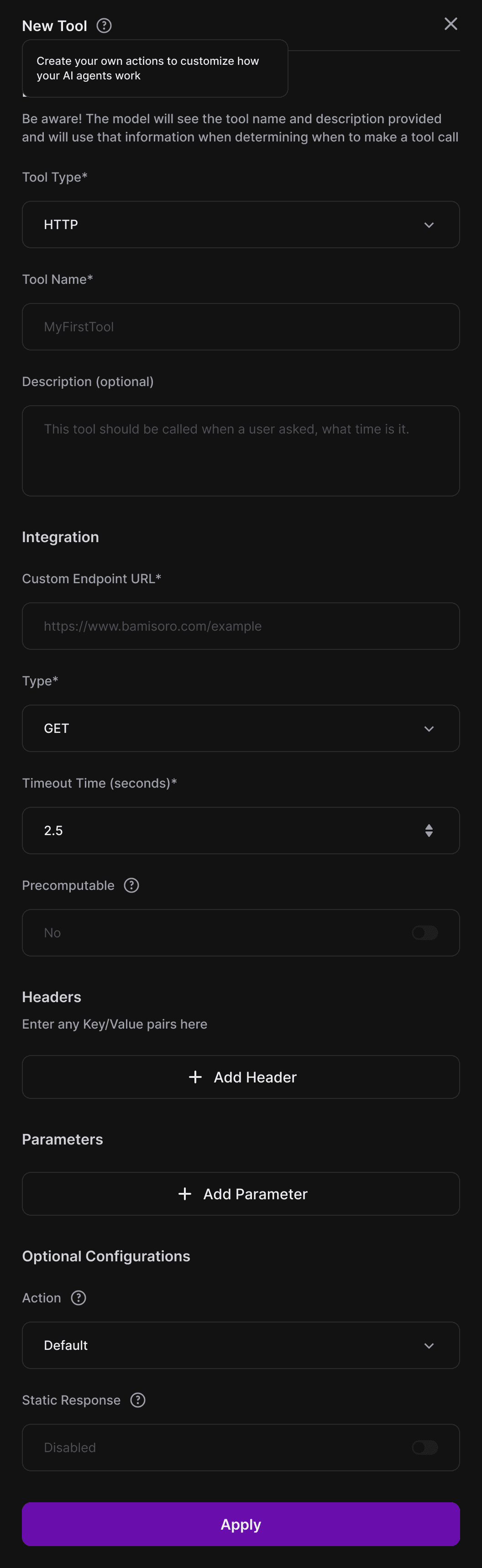
Success Metrics
Since Bamisoro is still in development, we’ve defined a set of key metrics around adoption, engagement, and customer satisfaction. These will help us determine whether the product is truly helping businesses handle calls more effectively once it launches.
Number of agents created
Why it matters: Creating an AI agent is the first main action inside Bamisoro. If users aren’t creating agents, they’re not engaging with the product.
Success looks like: Most new users completing the setup guide and creating at least one active agent within their first week.
Minutes of calls handled
Why it matters: This shows whether agents are being put to real use. High call volume suggests businesses trust the AI to talk to their customers.
Success looks like: A steady increase in minutes handled per customer month-over-month, especially as businesses assign more calls to their AI agents.
Retention Rates
Why it matters: Adoption without retention means the product isn’t sticky. Retention shows whether Bamisoro is solving a real, ongoing problem for businesses.
Success looks like: Customers staying active after 1 month, 3 months, and 6 months, continuing to use and expand their AI call agents.